
Why Verification
Matters in Uganda
Uganda cannot build a trusted healthcare system on paper credentials, fragmented records, and delayed manual checks. The Uganda Medical Registry exists to make practitioner, facility, and institutional verification instant, reliable, and nationally trusted.
From maternal care and district hiring to payroll integrity and public safety — verification is no longer optional. It is essential national infrastructure.
Uganda is facing a real healthcare trust problem
Uganda's maternal health crisis is worsened by delays, weak referral systems, and unqualified care. Verification helps protect lives.
The registry closes the gap between claimed credentials and verified truth across Uganda's healthcare system.
Fraud, ghost workers, and unverified facilities are draining national health value. Verification helps stop the leak.
Districts need real-time verification, not paper-based assumptions. UMR creates a unified national standard.
That is why verification matters.
Protecting Lives.
Every 90 Minutes.
When patients cannot tell who is genuinely qualified, the result is not just confusion. It is preventable harm. Uganda's crisis is linked to severe shortages of skilled birth attendants, delayed referrals, and unqualified practitioners posing as trained professionals.
Why verify?
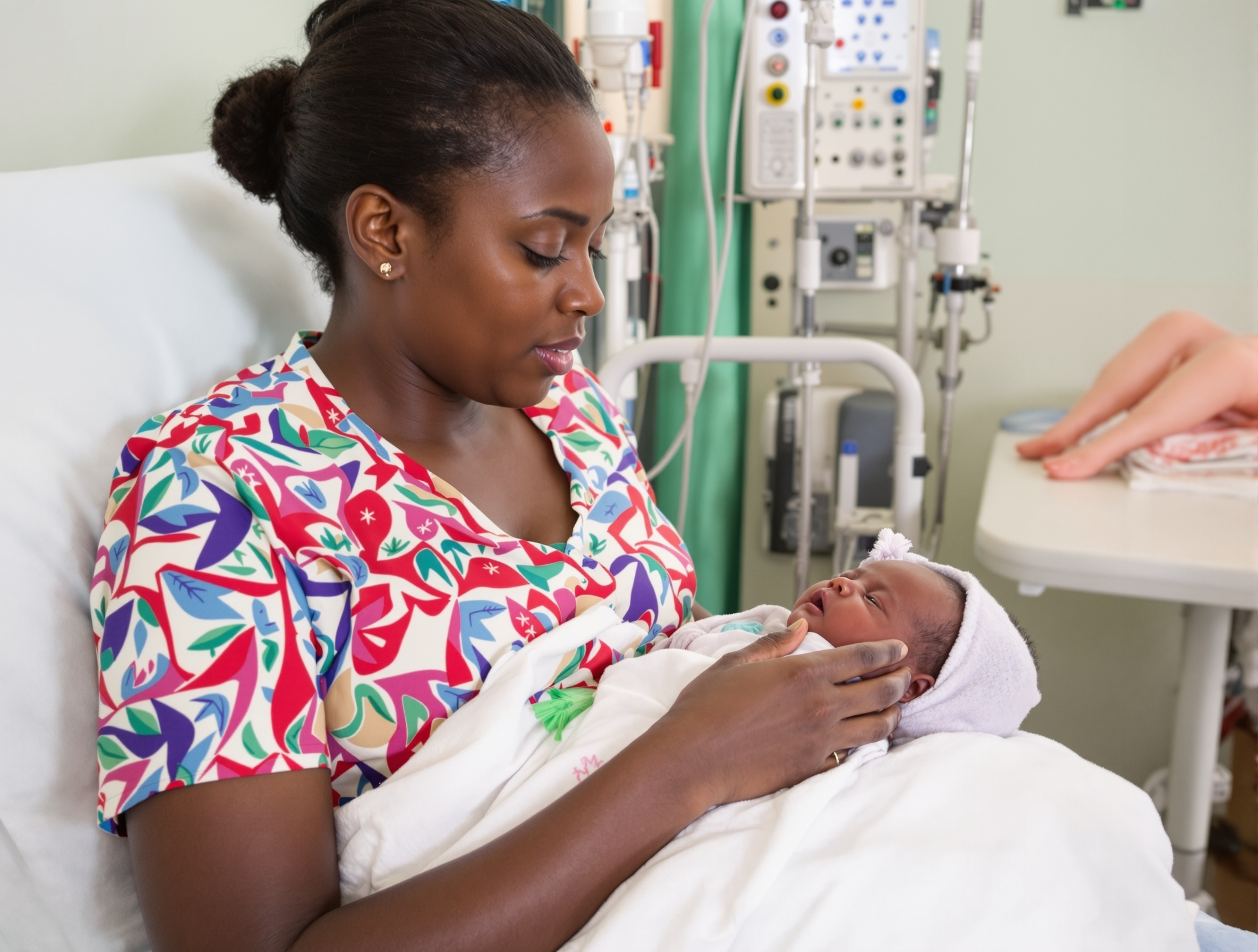
Uganda's maternal mortality rate is 375 deaths per 100,000 live births — with an estimated 6,000 mothers dying annually. Many of these deaths are preventable with qualified, verified care.
Stopping Fake Practitioners
Uganda has no fully unified centralized system for practitioner verification. 50,000+ unqualified practitioners are estimated to be treating 48 million Ugandans.
Why verify?
Because a name badge, paper certificate, or verbal claim is no longer enough.
UMR makes it possible to verify:
Gulu District Example
Fake clinical officers, nurses, lab technicians, and even a fake medical officer were found on payroll after years in service — caught only through manual investigation, not systematic verification.
Fixing the
District Hiring Gap
Many districts still rely on paper certificates with zero real-time verification — no live council check, no biometric professional confirmation, no direct academic cross-check. This is how fake practitioners enter the public health system undetected.
Why verify?
Eliminating Ghost
Workers & Payroll Fraud
Verification is not only about patient safety. It is also about public finance integrity. Uganda's IPPS environment still allows ghost healthcare workers because identity checks do not fully verify professional legitimacy.
Why verify?
Why UMR
Changes the Game
The Uganda Medical Registry is designed to eliminate fraud vectors systematically — addressing the crisis through interconnected, sovereign-grade infrastructure.
"UMR helps Uganda move from paper trust to digital trust."

What Verification Gives Uganda
A national verification system creates value for every stakeholder in Uganda's healthcare ecosystem.
For Patients
Confidence that the person treating them is real.
For Regulators
A stronger compliance, licensing, and fraud-detection framework.
For Districts & Facilities
Faster and safer hiring and deployment decisions.
For Government
Better payroll integrity and reduced waste.
For Employers, Embassies & Institutions
A trusted way to confirm credentials in seconds.
For The Country
A national healthcare trust infrastructure.
Verification in Practice
With UMR, users can verify across all critical healthcare trust domains — from web and mobile platforms to USSD on any phone.
A practitioner
A facility
An institution
License status
QR-linked digital ID
Credential validity
Blockchain-confirmed status
Via USSD
Any phone, no data needed
Verification is not a luxury.
It is protection.
The Uganda Medical Registry is being built so that trust in healthcare can be checked, proven, and relied on in real time.